A Future Without Original Illustration Wouldn’t Just Look Dull. It Would Be Terrifying.
There’s something unsettling lurking in the creative industry.
It can produce polished images in seconds. It never sleeps, never misses a deadline and has absorbed more visual references than any human could encounter in a lifetime.
No, it’s not the premise of a new Halloween film. It’s the age of generative AI.
AI is already changing how marketing and design are made. Used thoughtfully, it can be an extraordinary tool—helping teams explore possibilities, overcome blank-page paralysis and bring early concepts to life. But as more brands use the same technology, trained on the same sea of existing work, we risk creating something genuinely frightening.
A world in which everything looks the same.
Welcome to the creative uncanny valley
You’ve probably seen the signs already: glossy, technically impressive visuals that somehow feel empty. Perfect faces with no personality. Dreamlike landscapes that resemble a hundred images you’ve scrolled past before. Brand campaigns that are competent, attractive and instantly forgettable.
There’s nothing obviously wrong with them. That might be the problem.
When every business has access to the same tools, speed and surface-level polish stop being differentiators. If everyone asks a machine for “bold editorial illustration” or “playful characters in a vibrant contemporary style”, the results inevitably begin to converge.
The monsters under the bed aren’t terrible ideas. They’re familiar ones wearing slightly different costumes.
Original illustration gives a brand a pulse
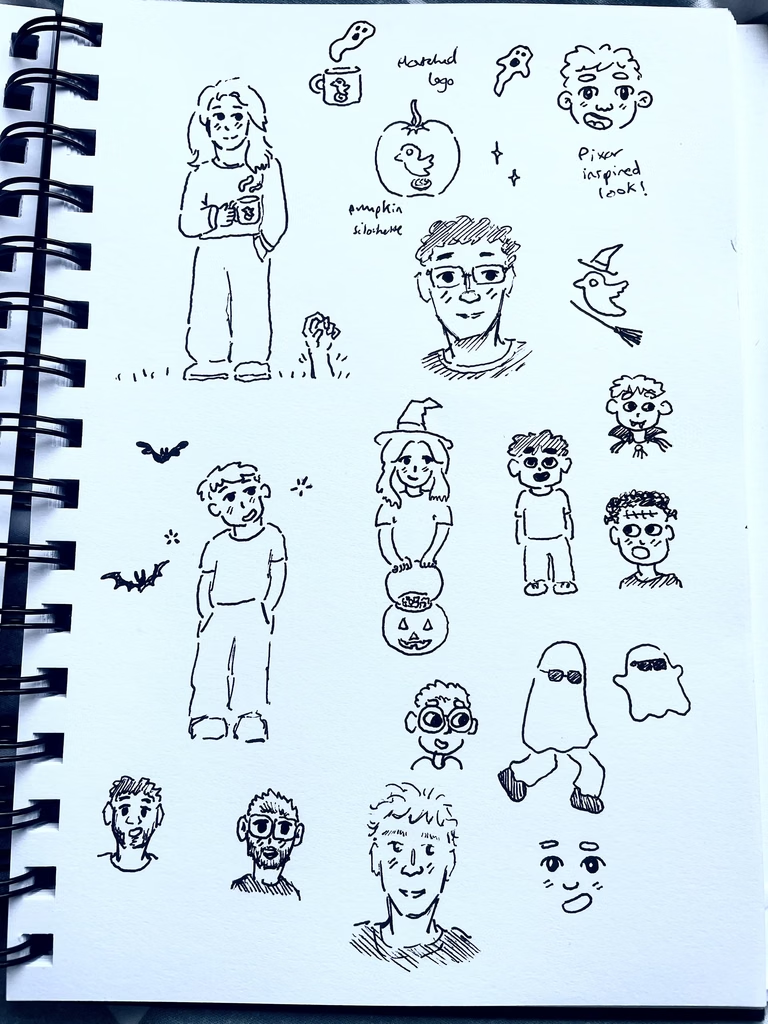
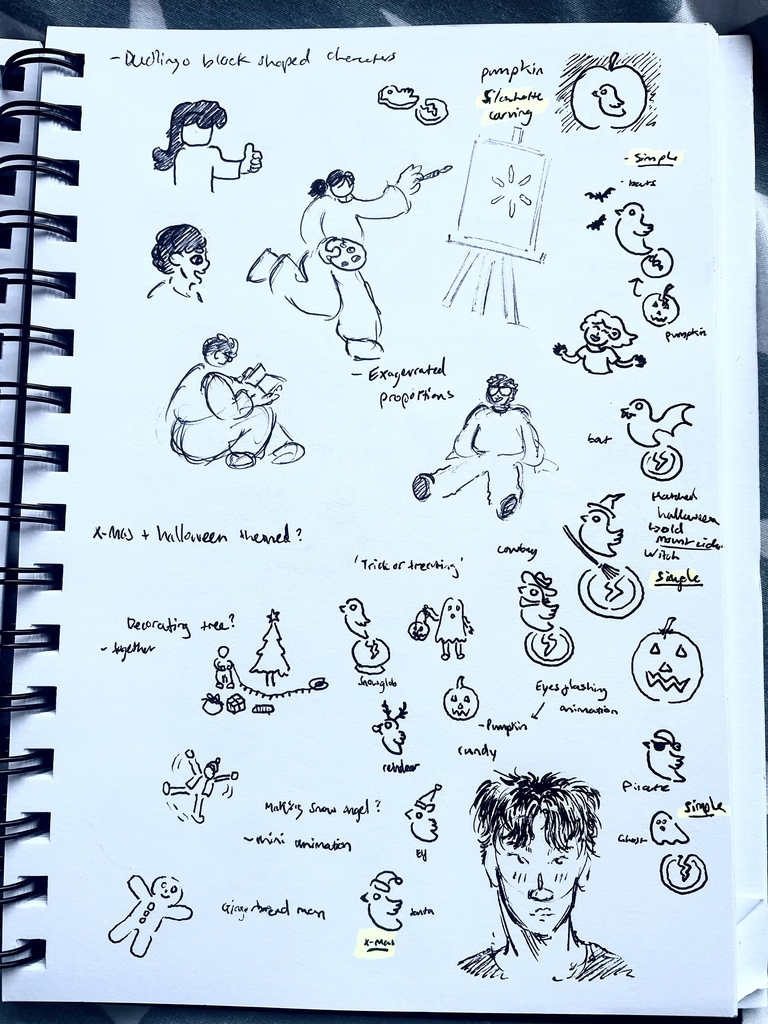
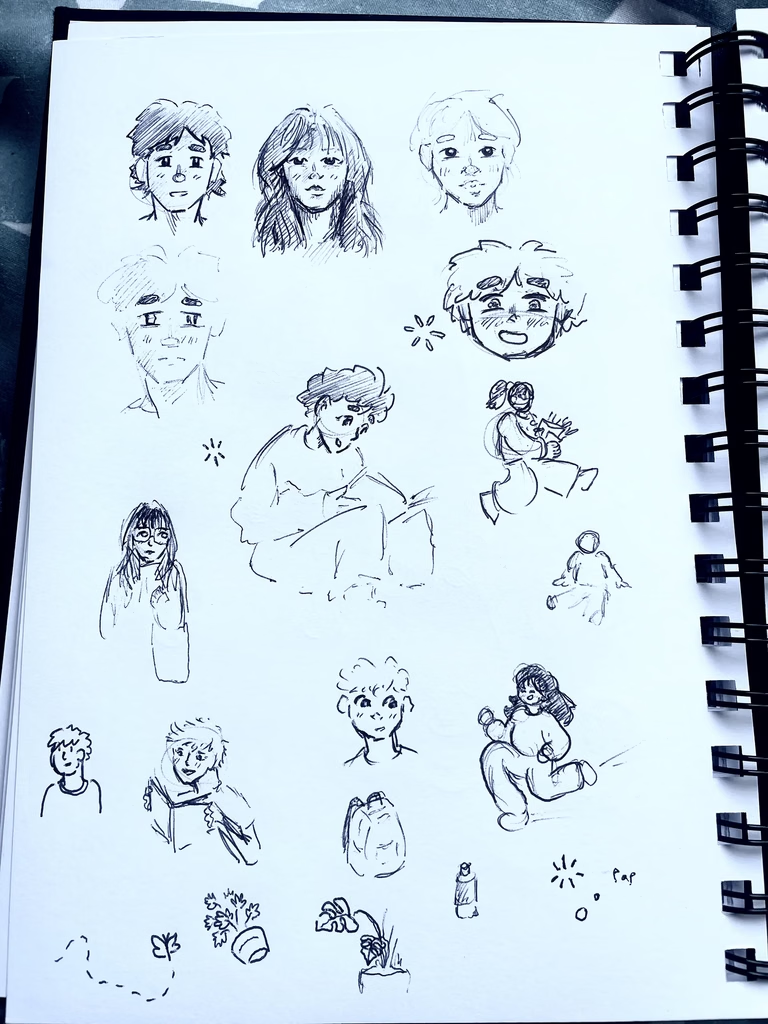
Original illustration begins with a point of view.
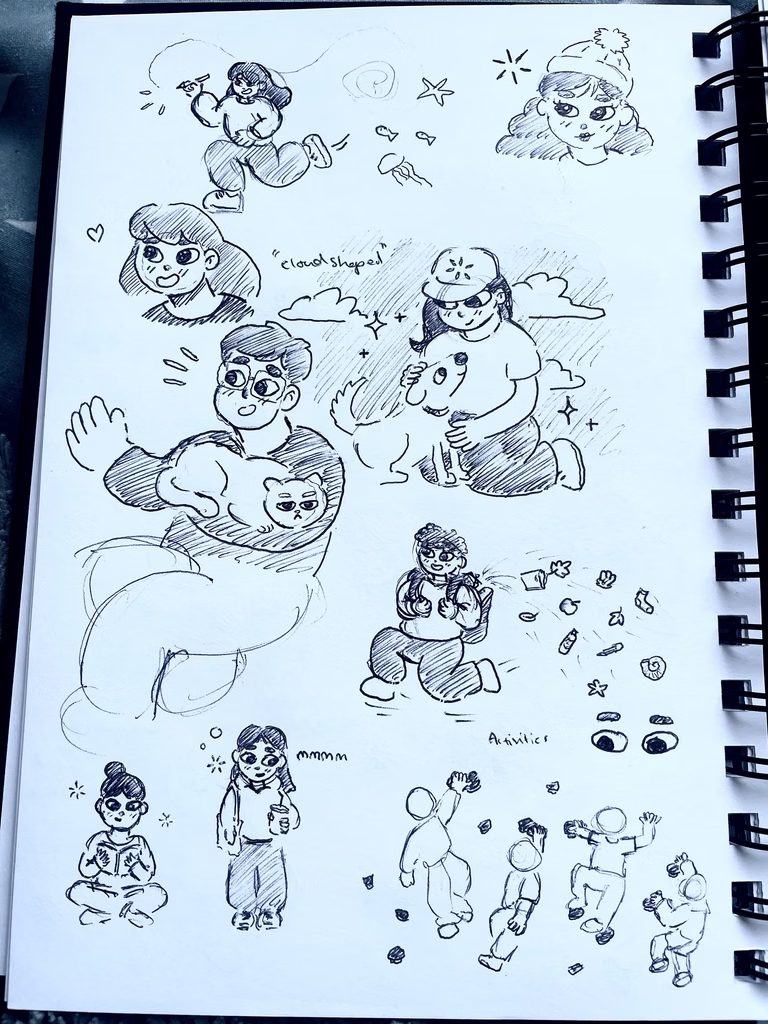
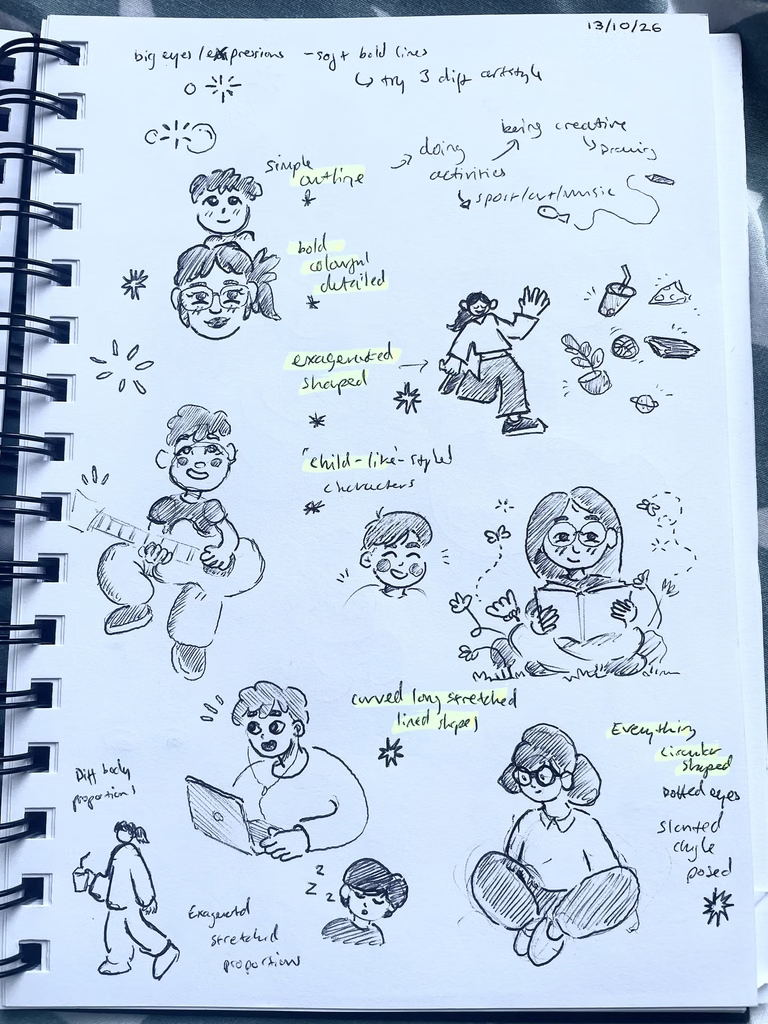
It contains the decisions, instincts and imperfections of the person who made it: the unexpected shape, the peculiar expression, the line that wobbles in precisely the right way. These details aren’t defects to be corrected. They are evidence of imagination at work.
That humanity matters in marketing because audiences don’t form relationships with flawless output. They connect with personality, emotion and meaning.
A distinctive illustration can communicate something photography cannot capture and typography cannot say alone. It can turn an abstract idea into a character, create a visual metaphor for a difficult subject or build an entire world around a brand. Most importantly, it can make that brand recognisable before anyone has even seen its name.
Original illustration doesn’t simply decorate a message. It helps define the voice delivering it.
Being memorable means being unmistakably yourself
Brands spend enormous amounts of time trying to stand apart, then often reach for the same visual trends as everyone else.
Original illustration offers an escape from that haunted house of sameness.
A bespoke illustrative style becomes part of a brand’s visual language: something ownable, flexible and difficult to imitate convincingly. It can stretch from a tiny digital icon to an enormous campaign while retaining the same character and emotional tone.
That consistency builds recognition. The originality builds memory.
In an increasingly automated visual landscape, work with a clear human fingerprint may become more valuable, not less. When polished imagery is abundant, specificity becomes precious. Audiences will notice the things that feel considered, surprising and genuinely made for them.
Illustration is also part of our culture
There’s a bigger reason to protect original illustration.
Illustration is not merely a commercial resource. It’s an art form through which people have recorded experiences, challenged assumptions, explained ideas and imagined different futures. Every illustrator brings their own background, humour, obsessions and way of seeing the world to the page.
If we reduce creativity to endlessly remixing what already exists, we lose more than professional opportunities. We narrow the range of perspectives entering our visual culture.
AI can generate variations on the past at astonishing speed. Human artists can respond to the present—and invent what comes next.
For illustration to survive, illustrators need meaningful opportunities to practise, experiment, develop new styles and be paid for their work. Brands and agencies play a part in sustaining that ecosystem. Every decision to commission original work is also an investment in the future of the craft.
The answer isn’t to run screaming from the machines
This isn’t a story about humans versus technology. AI isn’t disappearing, and nor should every use of it be treated like a creative crime scene.
The more useful question is: what role do we want it to play?
It can support research, speed up repetitive tasks and open new routes for experimentation. But convenience should not replace curiosity, and generation should not be confused with authorship. The strongest creative work will come from people who know when technology can help—and when the idea needs a human hand.
Originality has always required time, trust and a willingness to explore uncertain territory. Those qualities may feel inefficient beside a tool offering hundreds of instant options. Yet they are also the source of the work that changes minds, creates emotional connections and remains memorable long after a campaign has ended.
Keep creativity alive
The truly frightening future isn’t one in which AI becomes more capable.
It’s one in which we become so accustomed to instant, average and endlessly repeatable imagery that we forget to ask for anything stranger, braver or more original.
At Hatched, we believe illustration should feel alive. It should carry a point of view. It should surprise people, communicate something real and give brands a world that belongs to them alone.
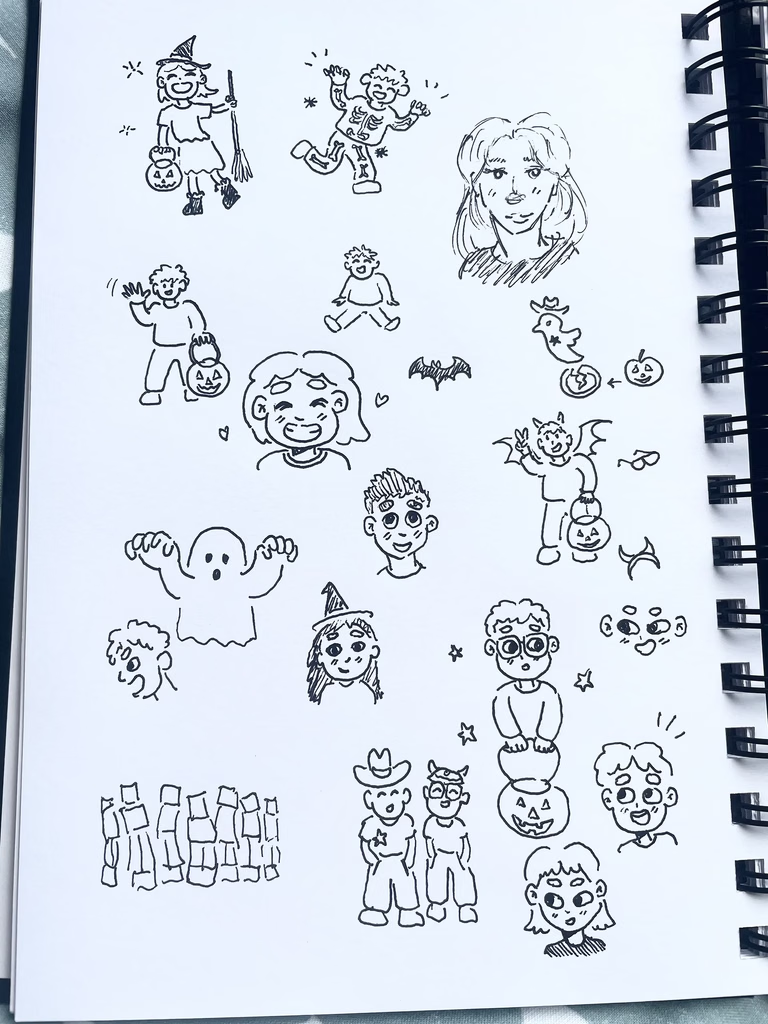
So this Halloween, let’s celebrate the unusual ideas, the imperfect lines and the brilliant human minds behind them.
Because a future without original illustration wouldn’t just look dull.
It would be terrifying.
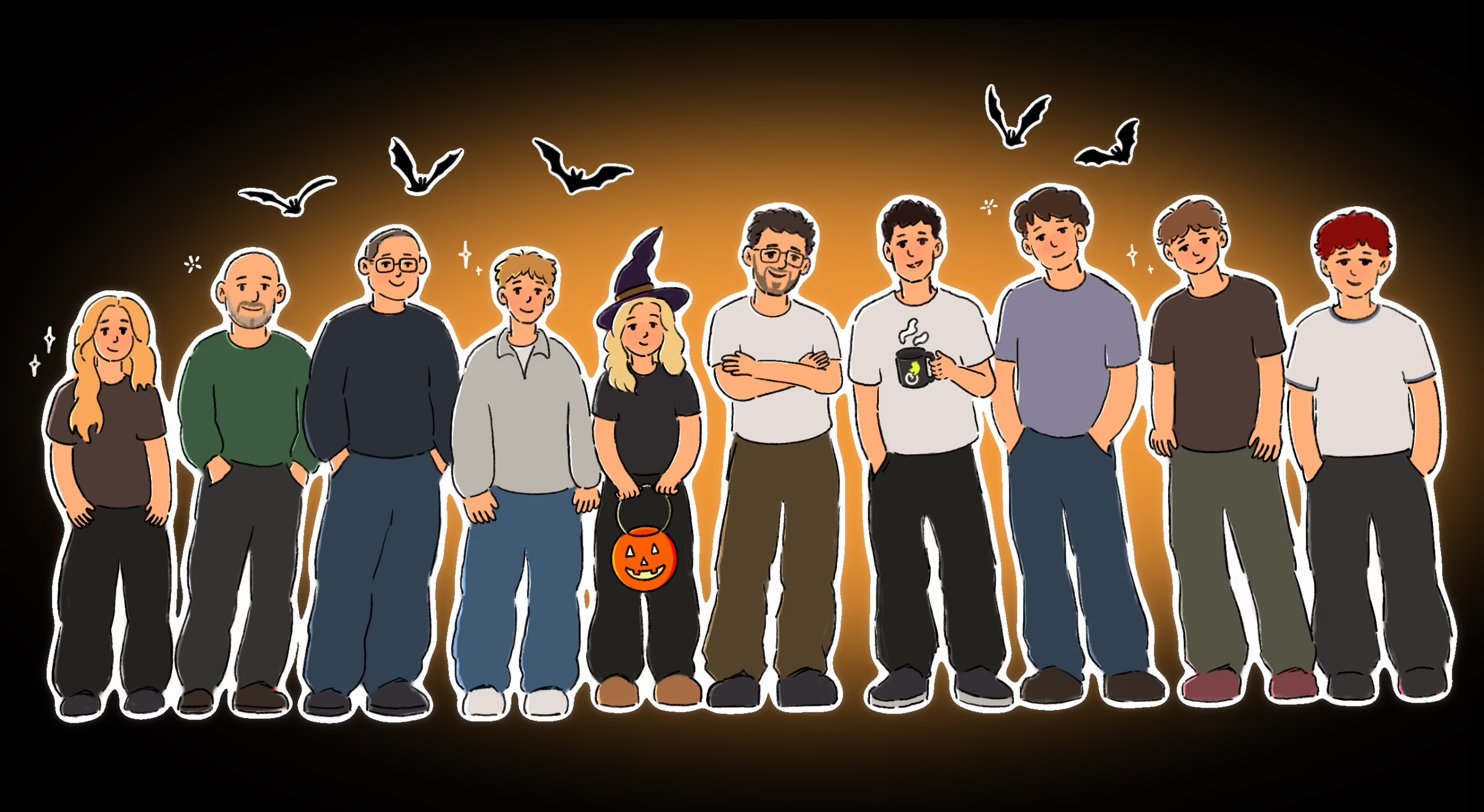
Illustrations by Willem Ashmore